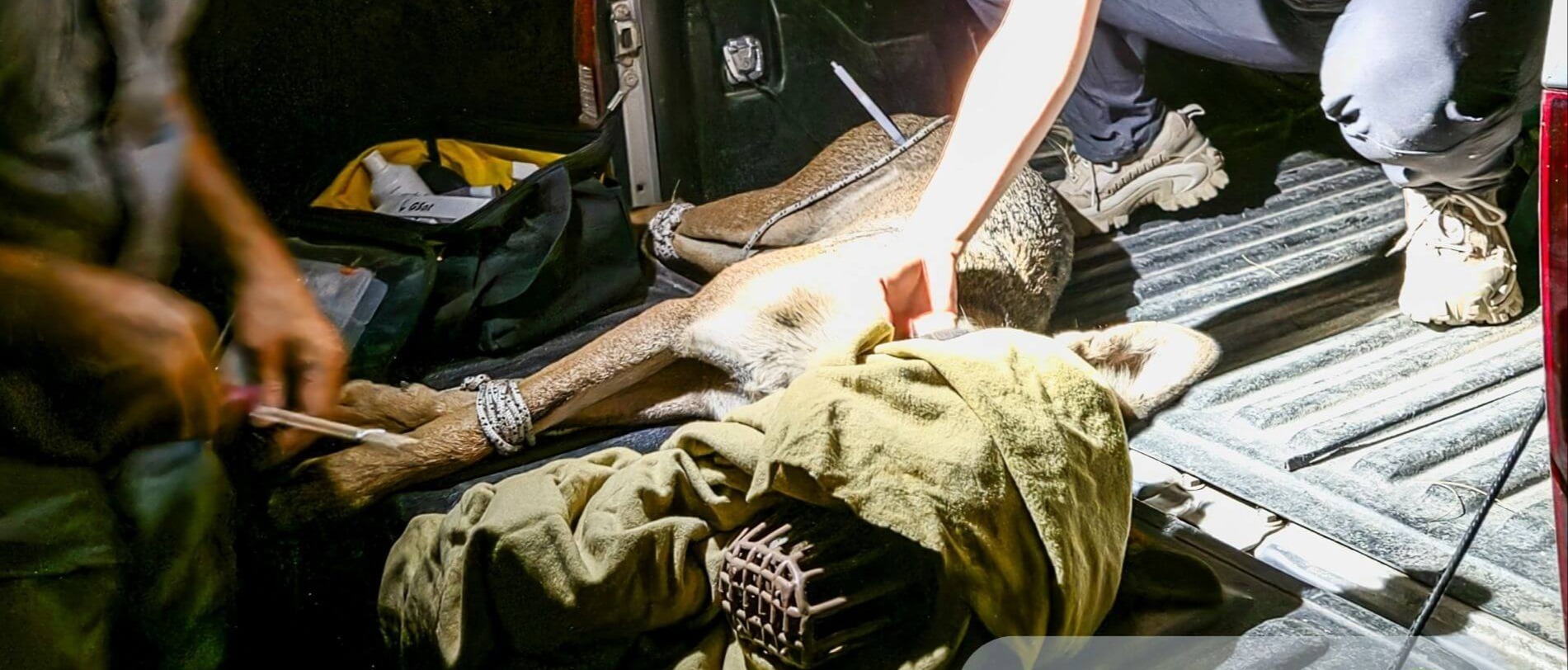
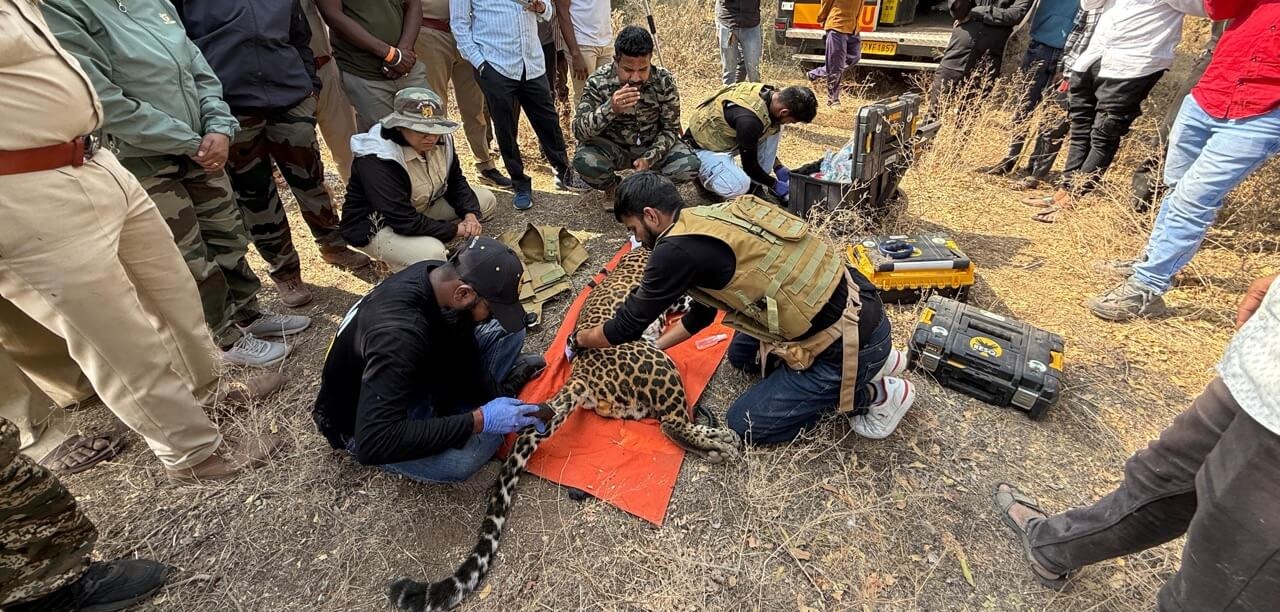
Across much of western Maharashtra, India, a leopard at the edge of a village, a sugarcane field, or a city is a familiar presence, and the response to it has become a discipline in its own right.
Dr. Hemraj Sukhwal, Senior Wildlife Veterinarian at RESQ Charitable Trust, is among those called on to manage these situations, where the task is to safeguard both the people involved and the animal at the center of the conflict.
RESQ Charitable Trust is a registered non-profit organization based in Pune, dedicated to wildlife rescue, veterinary treatment and rehabilitation, and the management of human-wildlife conflict. Established in 2007, it operates across Maharashtra and other states, upon request, under the authorization of and in collaboration with the State Forest Departments, responding to more than 9,000 wildlife emergencies each year. Through its rescue, rehabilitation, conservation and community outreach work, RESQ contributes to wildlife protection and to fostering coexistence between people and wildlife.
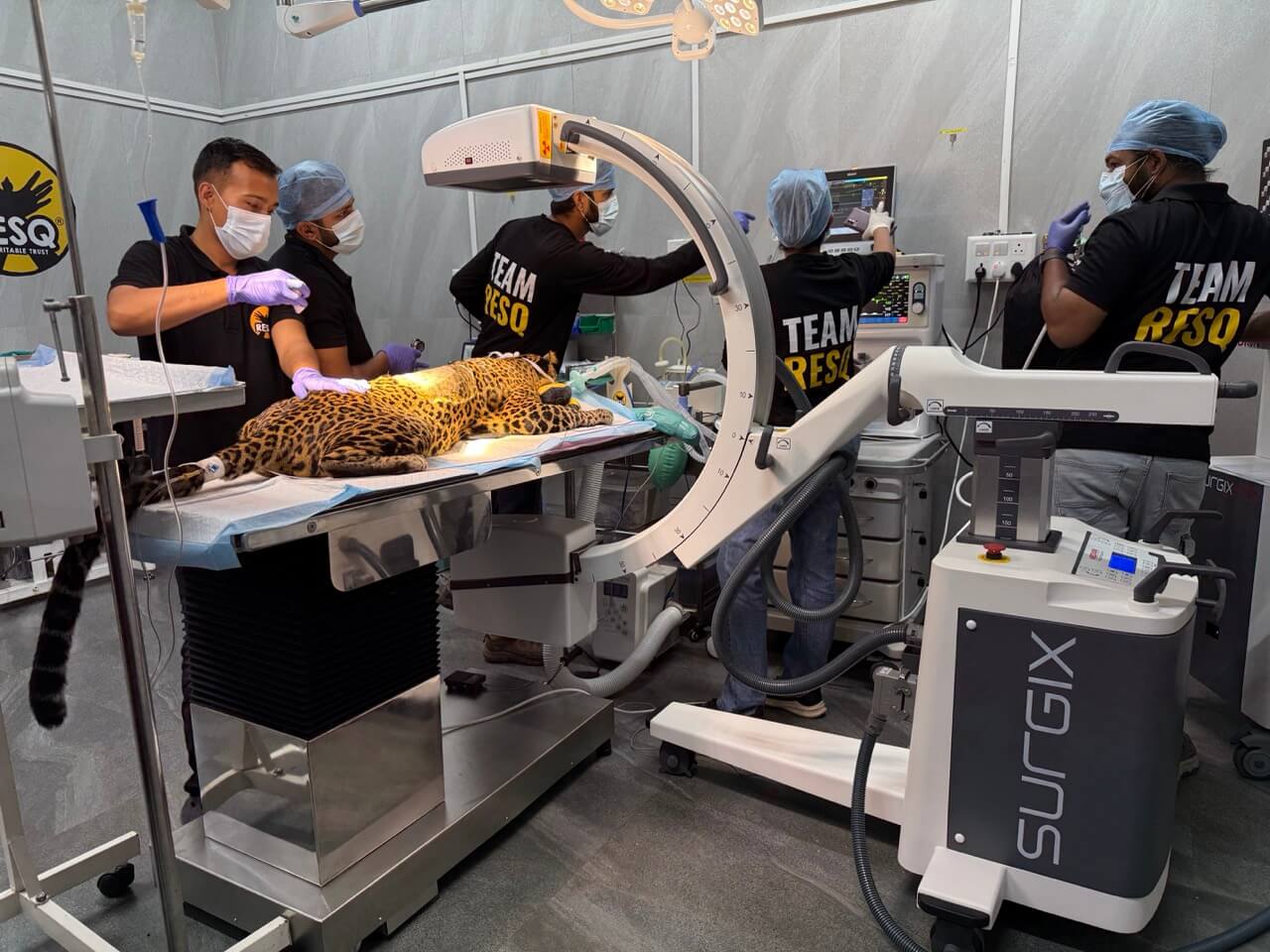
“During my three years with RESQ, I have rescued, treated and rehabilitated more than 200 leopards,” Dr. Sukhwal says.
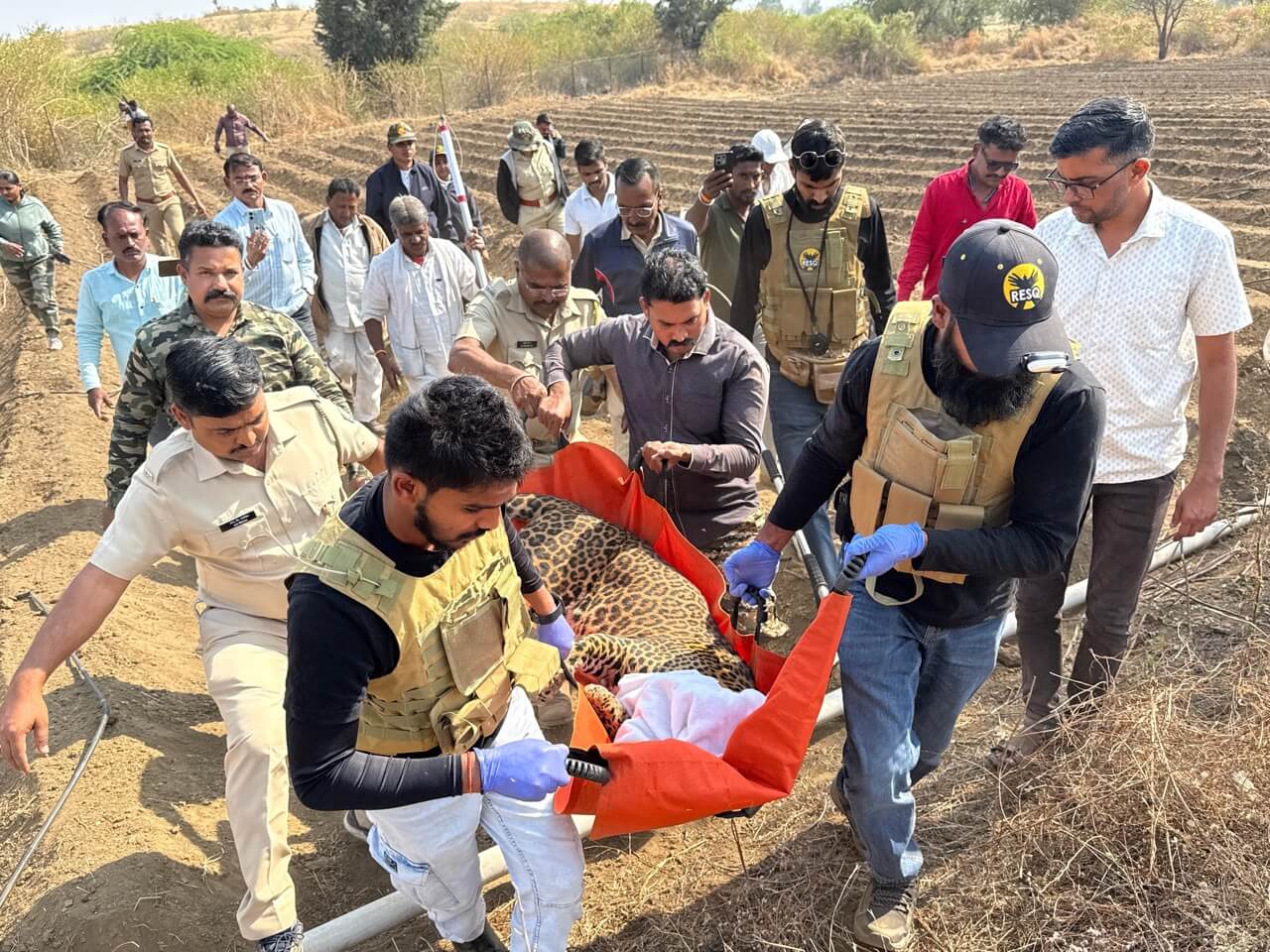 Many of those cases arise directly from conflict, and the response depends on the circumstances.
“When it is a conflict situation where the animal is injured, we rescue the animal and release it again when it is fit,” he explains.
"But if there is a situation where a leopard is suspected to be involved in a human attack or death, we cannot release the animal until its involvement has been confirmed or ruled out.”
The rescue begins before arrival
A leopard rescue usually starts with a call from a member of the public. The RESQ team then coordinates with the local Forest Department to assess the situation on the ground. The animal may be trapped in a well, caught in wire, moving in distress through a settlement, or surrounded by people.
The size of the team depends on the complexity of the case, ranging from three or four people to as many as seven or eight. The Forest Department supports the operation, and the police are sometimes called in to help manage the public gathered.
.jpeg?width=1280&height=960&name=Dr%20Hem%20-%20crowd%20%E2%80%93%20stor%20(1).jpeg) Often, the most demanding part of the work is not the darting itself.
Often, the most demanding part of the work is not the darting itself.
“The more challenging part is crowd management,” Dr Sukhwal says.
A leopard or tiger in a populated area can draw hundreds or thousands of onlookers. During a recent operation in Andhra Pradesh, where the team was called to a tiger moving through a city, an estimated 5,000 people had gathered to watch.
Video credit: RESQ Charitable Trust
Identifying the right animal
When a leopard has been involved in a fatal attack, the rescue becomes more than a matter of immobilizing and removing it. The team must also confirm that they have captured the correct individual.
Leopards can be identified by the rosette patterns on their coats, and in the most serious cases, that identification is verified through DNA analysis. Dr. Sukhwal describes a case involving a leopard believed to have killed three children.
“From camera footage, we were able to match the rosette pattern to the animal in question. Just before darting, we confirmed the pattern again. I then darted the leopard, and afterward we collected samples for DNA analysis, which confirmed the match.”
That confirmation carries real weight. “It is a genuine satisfaction to know we have caught the right animal,” he says.
 Equipment that has to perform
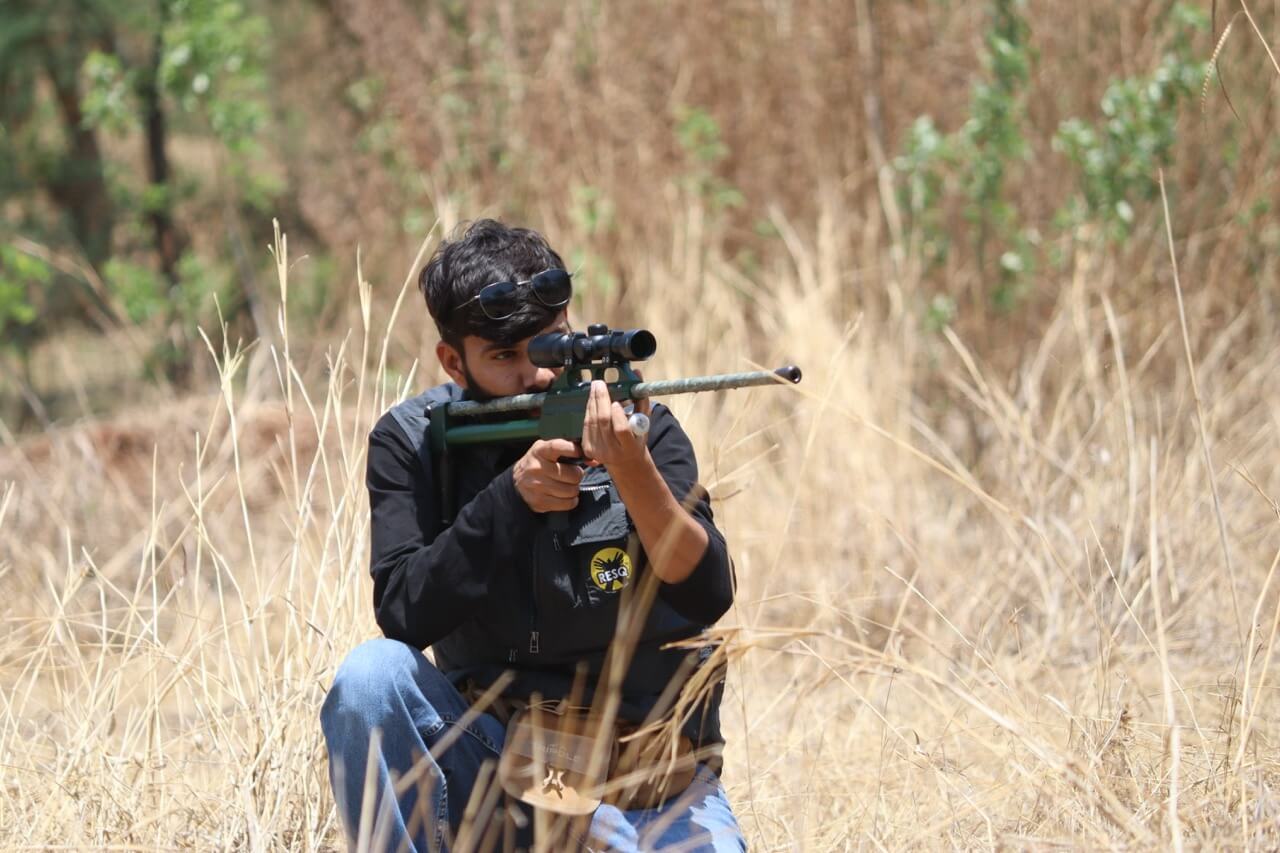
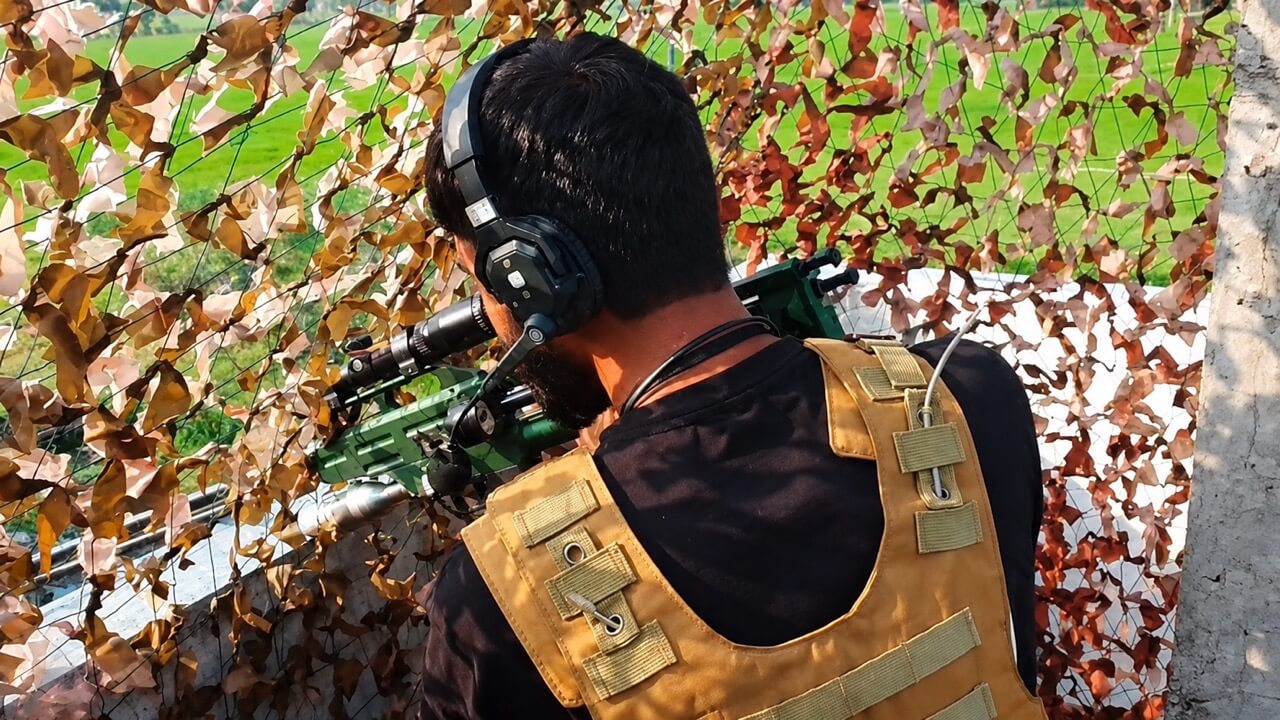
For remote immobilization, Dr. Sukhwal uses DANiNJECT equipment. Rescues often take place in crowded and unpredictable conditions, where the team may need to move quickly and approach the animal only once it is safe to do so. Under those constraints, the handling of the equipment matters.
“The single-barrel rifle is easy to carry, and it is lightweight, which is important,” Dr. Sukhwal says.
“In some cases, monkey rescues, for example, we have to run during the operation, and in a crowd we need to be able to handle the rifle easily.”
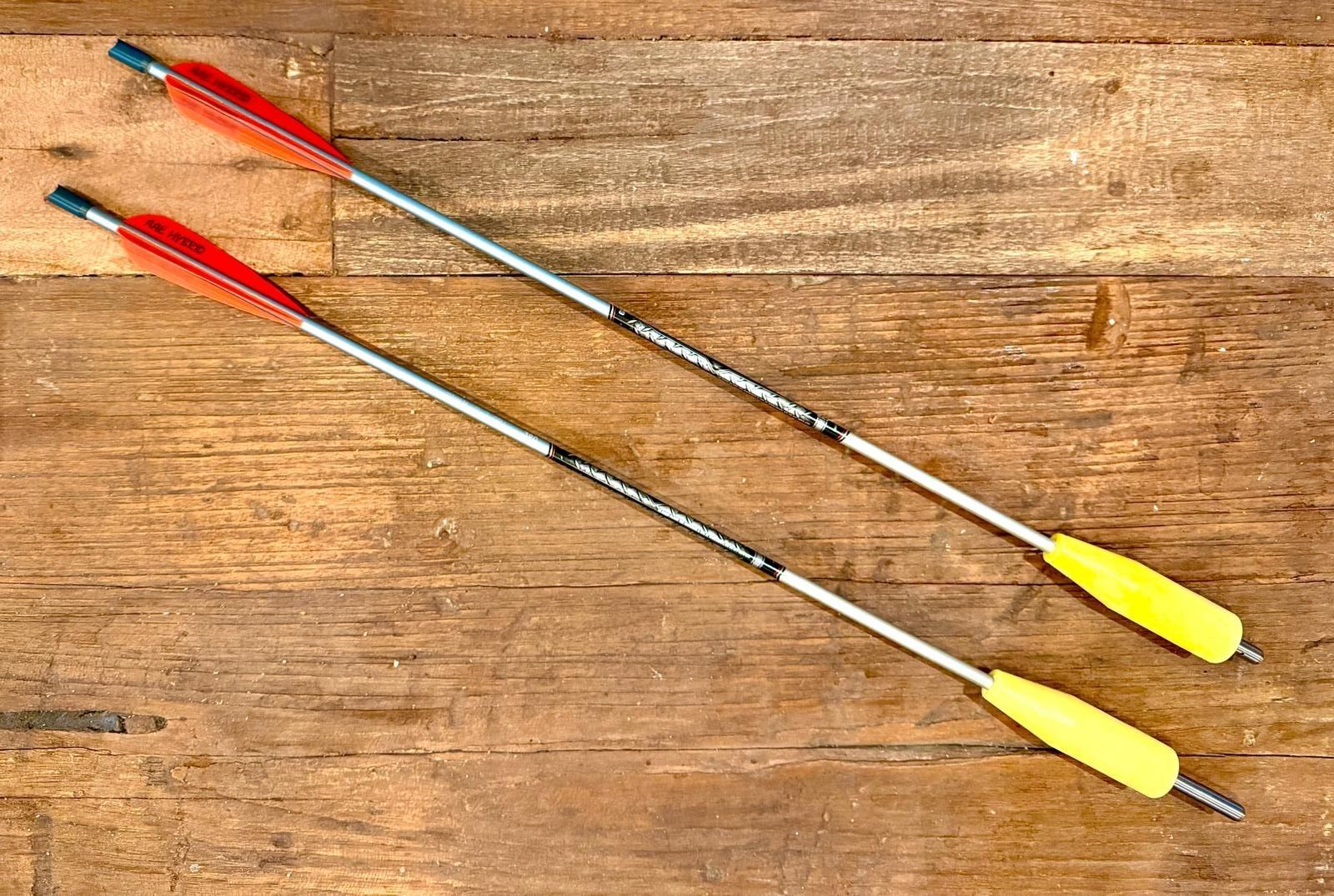
He also points to the darts.
“We can clearly see the amount of drug inside, and they are easy to fill. With some other brands, the volume is harder to read.”
Confirming drug delivery is critical, because the team has to judge when it is safe to approach.
“Even from a distance, we can see whether the drug has been released,” he says.
“Once we have confirmed that the animal has been darted and the drug delivered, we can approach with confidence. That is a real benefit for us.”
Confirmation does not rest on the dart alone: thermal UAVs are flown to track the animal's movements and to verify that it has settled and is no longer moving before the team approaches.
Ready at any hour
Wildlife rescue does not keep regular hours.
“You have to be ready around the clock,” Dr Sukhwal says.
“Animals do not wait for a convenient time. If a call comes at 2:00 am, we cannot say we will come in the morning.”
For Dr. Sukhwal, the clearest rewards are the releases and reintroductions: treating animals, rehabilitating them and returning them to their natural habitat wherever possible.
“Releasing an animal back into the wild is the most satisfying part of the work,” he says.
“Recently we released four long-billed vultures that had been in rehabilitation for a couple of months. They were fitted with post-release monitoring tags and returned to the wild. Those are the moments we work for, when the animals go back to where they belong.”
.jpeg)