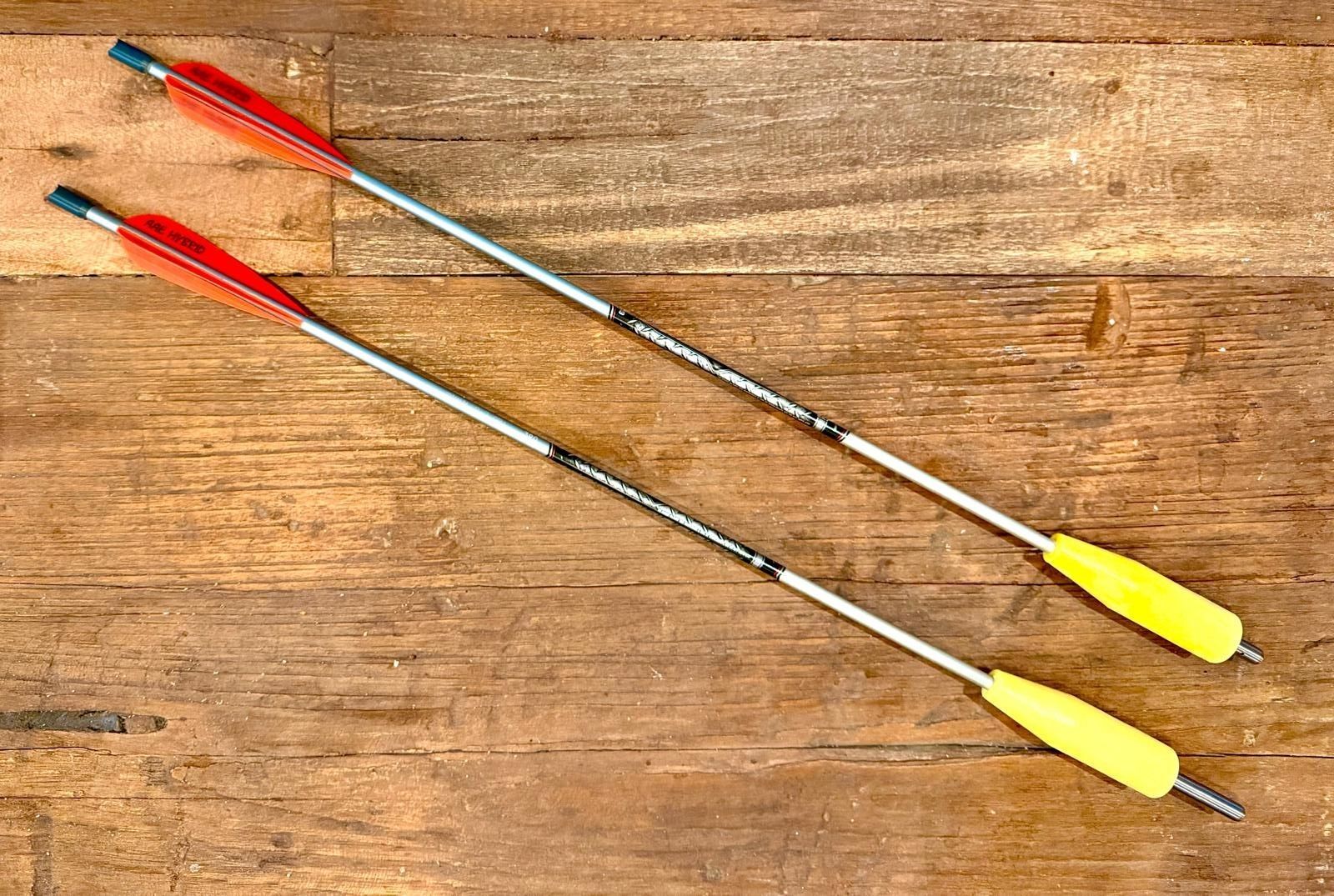
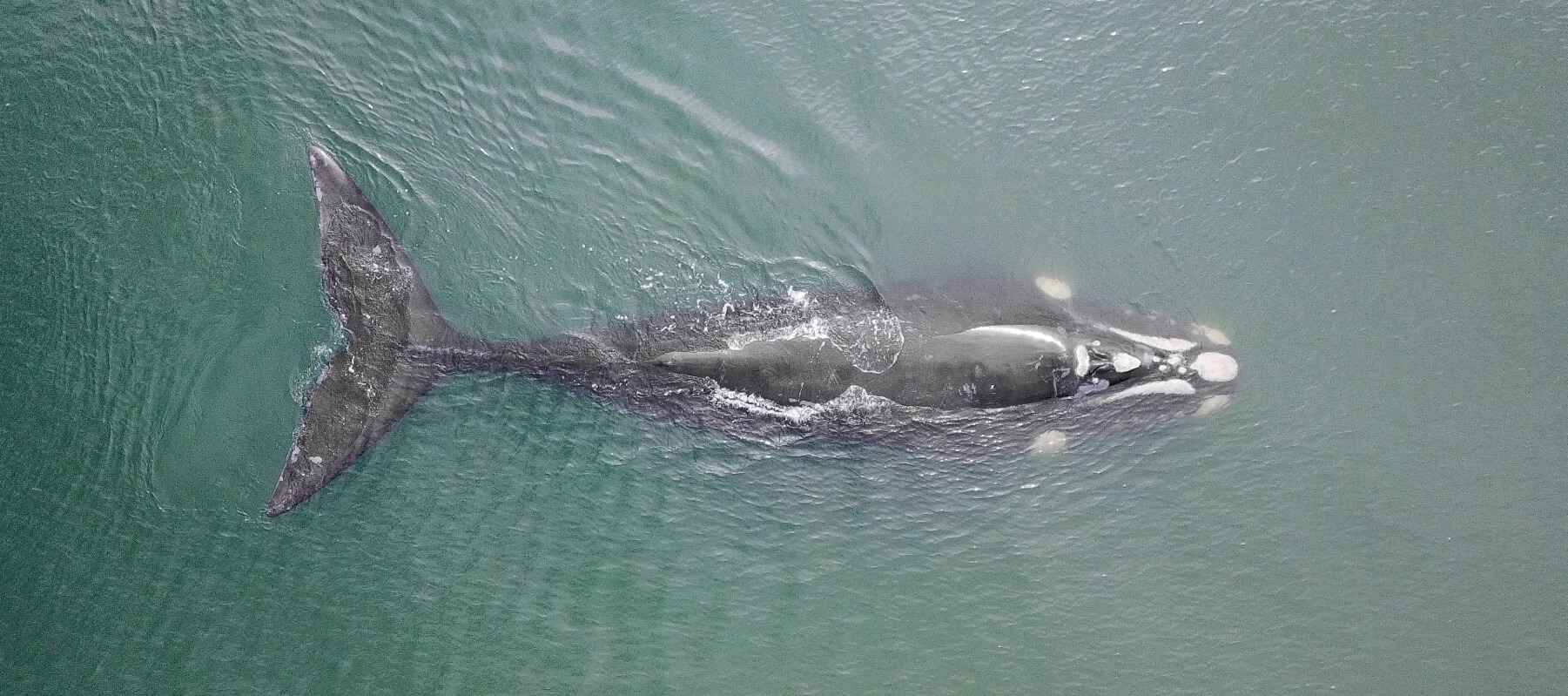
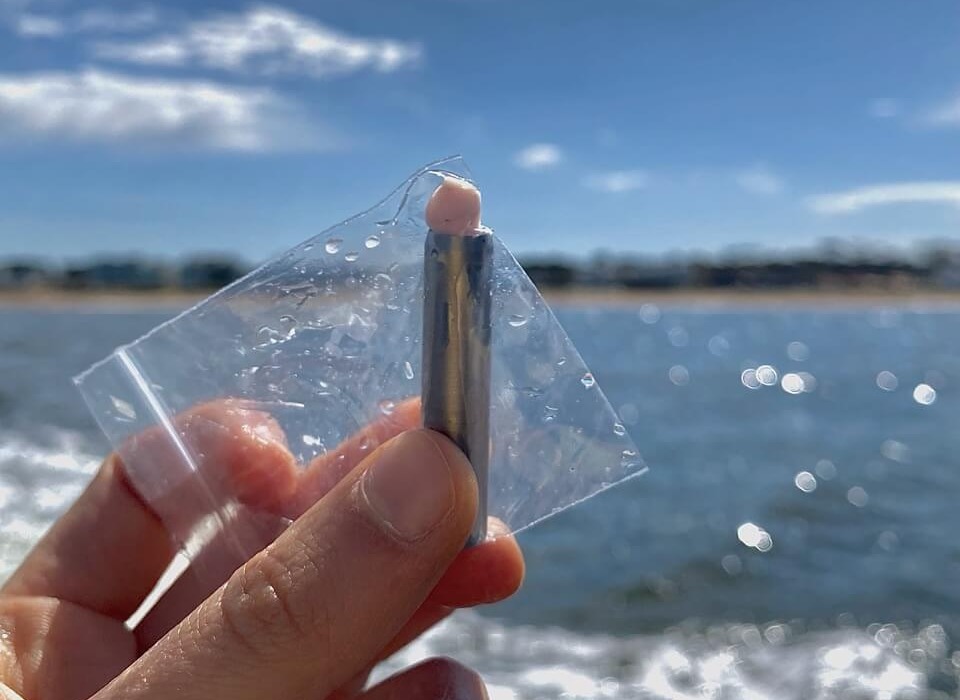
A 15-meter southern right whale breaks the surface of the dark water alongside the boat. Emilia D’Amado is ready with the crossbow. As the whale surfaces, she launches a CetaDart at its back. The dart takes a small sample of skin and blubber, bounces free on impact, and remains floating on the surface, allowing the team to recover it from the boat.
The sampling is part of a new research project aimed at improving knowledge of the movements, feeding, trophic ecology, and population connections of southern right whales visiting Uruguayan waters. Southern right whales visit Uruguayan coastal areas every year to socialize, court, and copulate, an important part of their reproductive cycle.
During the first sampling period of the project in 2026, the team collected 11 biopsies. It is the first time biopsy samples have been collected from southern right whales in Uruguay.
Dr. Federico Riet-Sapriza and Dr. Diana Szteren supervise the project, which aims to address some of the key unanswered questions and gaps in information about the whales that visit the Uruguayan coast.
“There are many things we still don’t know about these animals in Uruguay - where they come from, where they feed, and how they are connected to other whale populations in the region,” he says.
Federico has worked with cetaceans for a number of years, particularly humpback whales in Antarctic waters. But compared with neighboring Brazil and Argentina, both of which have strong marine research programs, whale research in Uruguay has historically received less attention.
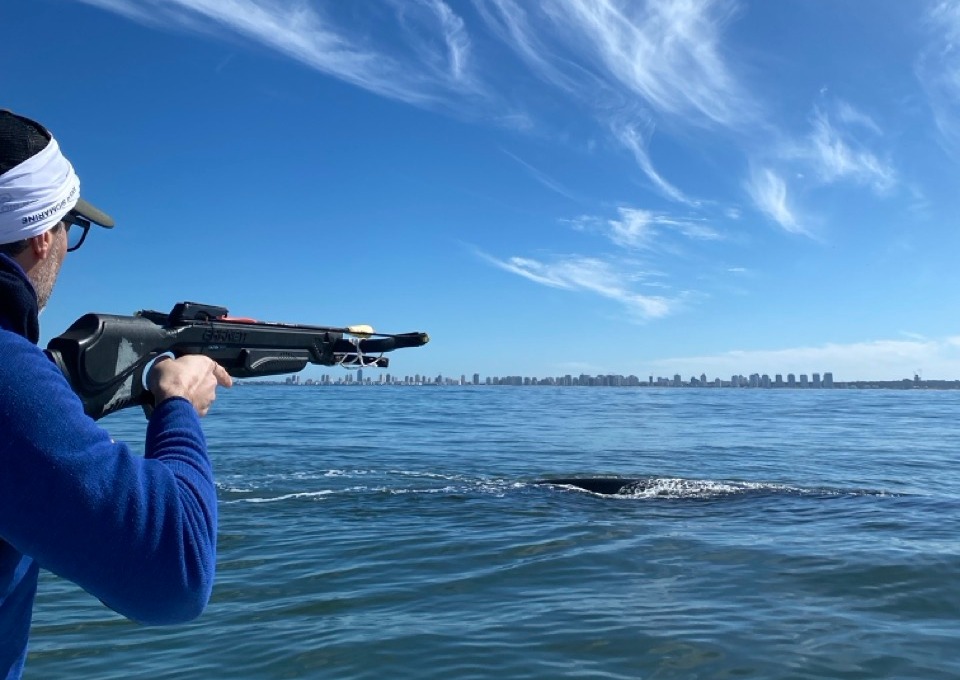 The new biopsy project is helping to close that knowledge gap. By analyzing the samples, Federico, Emilia and their colleagues hope to gain a better understanding of the ecology and population structure of southern right whales visiting Uruguayan waters.
Although the population is not currently considered endangered, continued research remains important for effective conservation and management.
Ready to respond when whales are sighted
Because the project has not had funding for its own research vessel, the team has established a collaboration with the Uruguayan Coast Guard, which provides access to boats and pilots for sampling trips.
This arrangement has an important practical advantage: personnel are always on duty, meaning the researchers can often be on the water within around 30 minutes of receiving a report of whales nearby.
The team monitors the coast themselves and also follows sightings shared through a large cetacean citizen Telegram group, administered by BallenasUY, with approximately 9,000 whale enthusiasts.
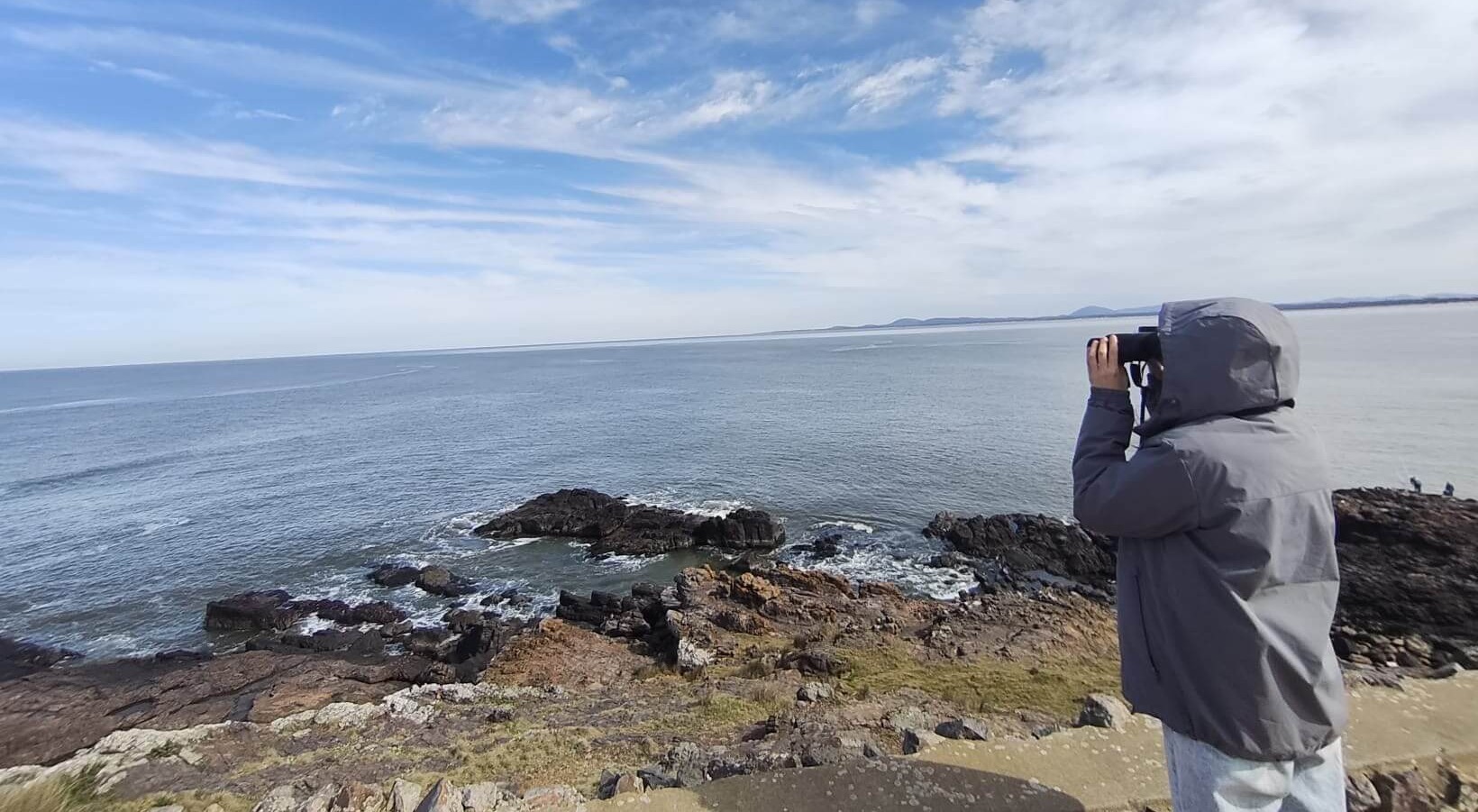
An important part of the project is communication with the public. Through various communication channels, including feature articles in local newspapers, a local streaming interview, and a dedicated Instagram account (@eubalaena.uy), they keep the community informed and engaged with our work.
“Many people in Uruguay are very protective of the whales, so when they see us approaching them, it is important that we have explained what we are doing,” Federico says.
“We want people to understand that we are not harming the animals; we are carrying out research that can help protect them.”
Collecting samples with CetaDart
The objective is to collect at least 20 biopsy samples each season during the project, and the team uses CetaDart (recently acquired by DANiNJECT) to obtain the small samples of skin and blubber. Conditions vary considerably in the field. At times, the whales approach the boat closely; on other occasions, biopsies have been collected from distances of approximately 10–15 meters.
The samples will be analyzed for stable isotopes, which can provide information about diet, feeding areas and movement patterns.
 However, Federico and Emilia hope the project can develop into a PhD study and include a broader range of analyses, including DNA, fatty acids, hormones and environmental pollutants such as mercury.
“Personally, I would love for this project to continue,” Federico says.
“I think it is important to keep collecting samples and build a database that we can analyze over time and share with colleagues across the region.”
For a country where southern right whale biopsy research is only just beginning, each sample adds another piece to the picture - and brings researchers closer to understanding how these animals use the waters off Uruguay and how best to protect them in the future.
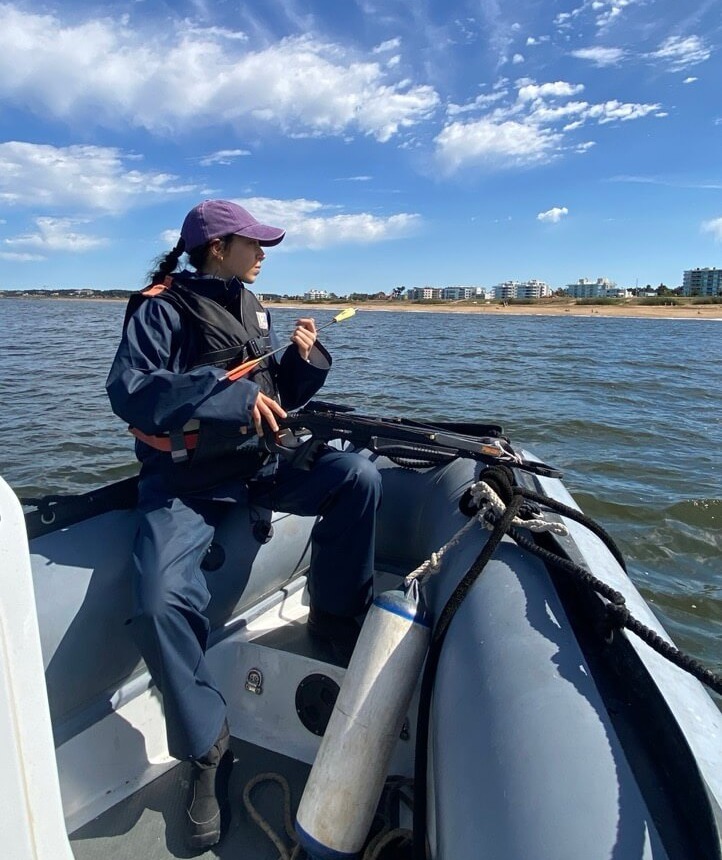
Photo credit for all photos: Proyecto Eubalaena-Uruguay